


How to Choose Between TFT, OLED, and AMOLED Displays
Choosing the right display technology can significantly impact your product’s performance, cost, and user experience.
Here’s a simple guide to help you understand when to use TFT, OLED, or AMOLED for your next project.
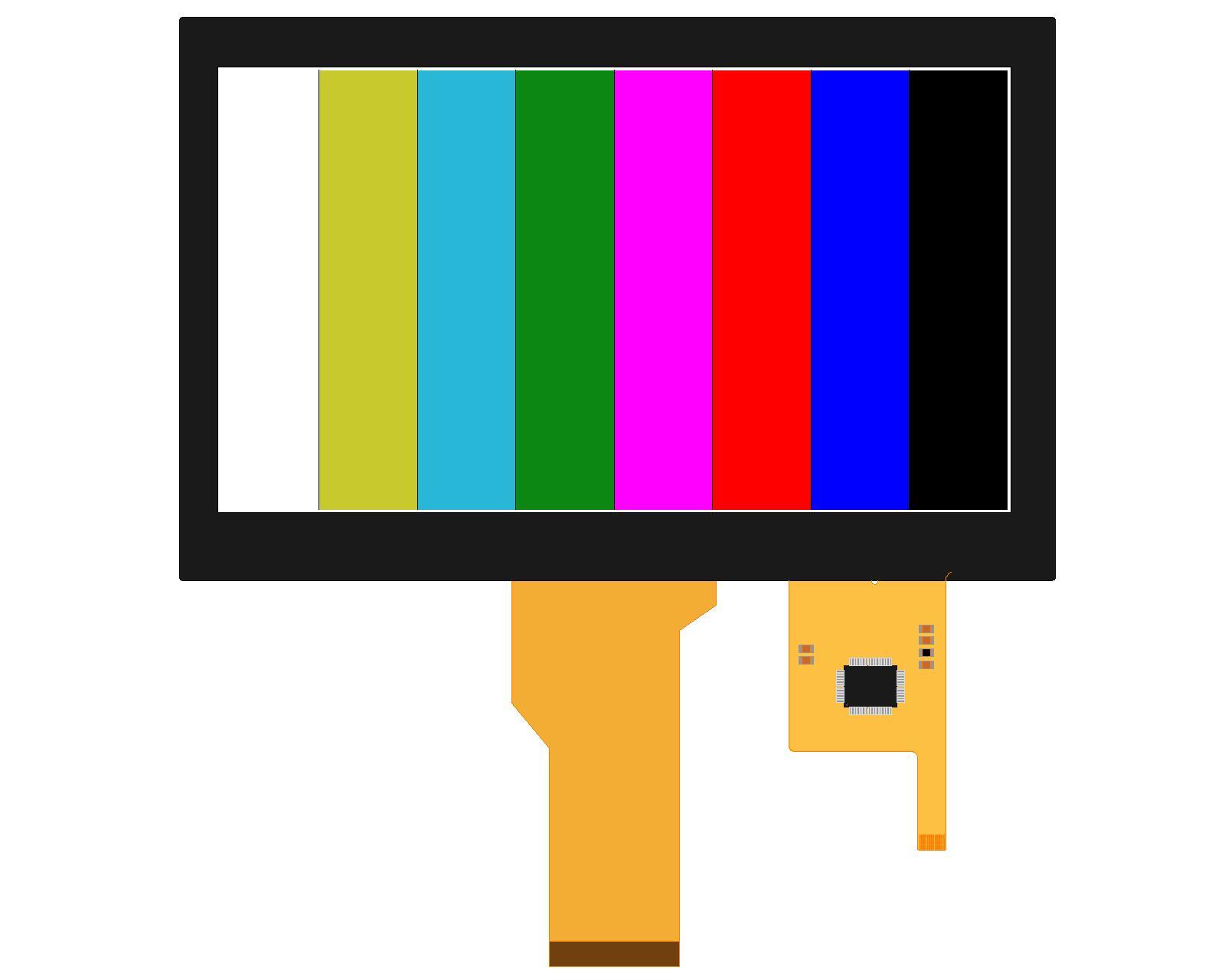
🔵 TFT (Thin-Film Transistor LCD)
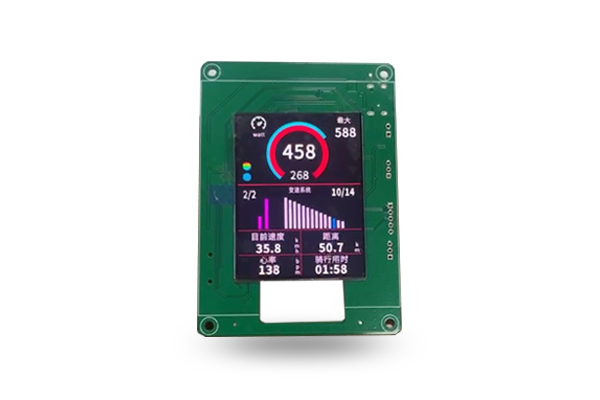
Best for: industrial devices, instruments, home appliances, automotive, cost-sensitive projects.
Why choose it:
- Excellent durability and long lifespan
- Stable performance under sunlight (with transflective or high-brightness options)
- Lower cost and wide size availability
- Ideal for static UI, simple animations, dashboards
Not ideal for: ultra-thin devices or premium consumer products.
🟣 OLED (Organic Light Emitting Diode)
Best for: wearable devices, compact consumer electronics, designs requiring high contrast.
Why choose it:
- True black, very high contrast
- Wide viewing angles
- Thin and lightweight
- Great for stylish or compact designs
Not ideal for: long static images or high-brightness outdoor applications (risk of burn-in).
🟠 AMOLED (Active Matrix OLED)
Best for: smartphones, premium panels, products needing smooth UI and vivid colors.
Why choose it:
- Faster response time
- Better power efficiency for dark-mode UIs
- Rich colors and excellent contrast
- Supports high refresh rates
Not ideal for: long-term static screens or cost-sensitive industrial devices.
✅ Summary
- Choose TFT → when you need reliability, cost efficiency, and long lifespan
- Choose OLED → when you need high contrast and ultra-thin design
- Choose AMOLED → when you need premium quality and high performance
If your project involves display selection and you’re unsure which one fits your requirements, feel free to connect or message me.
I’m happy to share insights from our experience with custom LCD/TFT modules.
TFT, OLED, AMOLED
Tianjin Right Display Co., Ltd.
-
ADD:D2 Factory Building, No.7, East of Guwang Road, Jingbin Industrial Park, wuqing district, Tianjin
FAX: 301712
TEL : 022-25255909 / 18133876017
E-mail : sales@trdisplay.com
WeChat: 18133876017

Add Friend